Ethical consumerism is an approach that emphasizes making thoughtful purchasing choices, consuming less, and prioritizing social and environmental responsibility in our purchasing choices. It is a form of political activism that involves both the consumption of products themselves but also the way that the products are made in the first place. Ethical consumerism values choosing to purchase from companies that align with values that help improve the social, environmental, and political state of the world. It encourages people to use the “vote with your wallet” method when it comes to purchasing, in the hopes that people will think about the impact that their purchases have on the social and physical environment. This movement has been on the rise, as more consumers are starting to think about their social impact. Starting with foundations in boycotts against unethical labor and environmental practices, conscious consumption was a way for activists to demand corporate accountability. The Fair Trade campaign in the 1990s motivated more companies to disclose their methods of production which encouraged safer work conditions and cleaner production.
Defining Social Impact in Consumerism
Social impact is the effect that actions, policies, and programs have on communities and social structures. Ethical consumerism directly correlates to social impact because by making more conscious purchasing choices, you have the power to improve communities around the world. Gen Z consumers are emphasizing more value on sustainable consumption, prioritizing clean production and safe work environments. Choosing products that you know are fair trade ensures that people in every step of the production process are receiving livable wages and are able to work under good conditions. Studies have shown that roughly 73% of Gen Z consumers are willing to spend more money in order to get sustainable products that lead to a positive social impact.
Consequences of Unethical Consumerism
Environmental Issues
Product overconsumption has a number of repercussions on the environment. Fast fashion companies are able to produce mass amounts of clothing and accessories for a low cost, but this business model is still contributing to large amounts of waste and carbon emissions. Not only do the clothing items themselves use plastic and cheap materials, but the purchasing and delivery process for those items use a significant amount of plastic. Therefore, choosing to consume from brands like SHEIN or ASOS contributes directly to negative social and environmental impact.
Overconsumption also impacts ecosystems and wildlife. Overconsumption relies on using the earth’s natural resources to make products. For example, deforestation produces lumber, as well as a clear path for mining and agricultural development. Copper is used for many things, such as jewelry, kitchenware, and cell phones. Oil is used to fuel the vehicles that we use to get around everyday. The extraction of these natural resources have real consequences as natural habitats are destroyed, water is polluted, and species no longer thrive.
Dangerous Labor Environment
Unfortunately, sweatshops and child labor are common and widespread in the production of the fashion and electronic industry. Unlivable wages and unsafe work conditions are very popular in these settings. Because of the growing demand for cheap clothing, companies turn to lower income countries to satisfy these requests. There are massive cuts to spending in the supply chain, and as a result, workers, often children, are paid incredibly low wages with little safety standards. These exploitative conditions are a result of the overconsumption of cheap, low quality items from larger corporations. In these sweatshops, the workers often have no control over their safety and wages, and there are few policies in place that will stop these companies from taking advantage of their workers. This is why it is important to think ethically about where you are purchasing your goods from.
Social Harm: Materialism and Overconsumption
Not only are there many physical consequences to overconsumption, but there is a mental and emotional toll that consumerism takes on a person. Unethical consumerism breeds a culture of materialism and overconsumption; a culture that is hard to escape given how both of those terms are celebrated in our society. Not only does overconsumption fuel financial strain on an individual, it can also impact their mental health. There is a pressure to keep up with societal standards, as social media and commercial advertisements portray unattainable lifestyles fueled by the need for new products. The need for new things can also lead us to feel a sense of dissatisfaction, and a feeling of disappointment when our craving for new products cannot be filled. This leads people to overconsumption and encourages people to purchase unethically.
Aquatabs 49mg
What Business Connect is Doing to Help Our Social Impact?
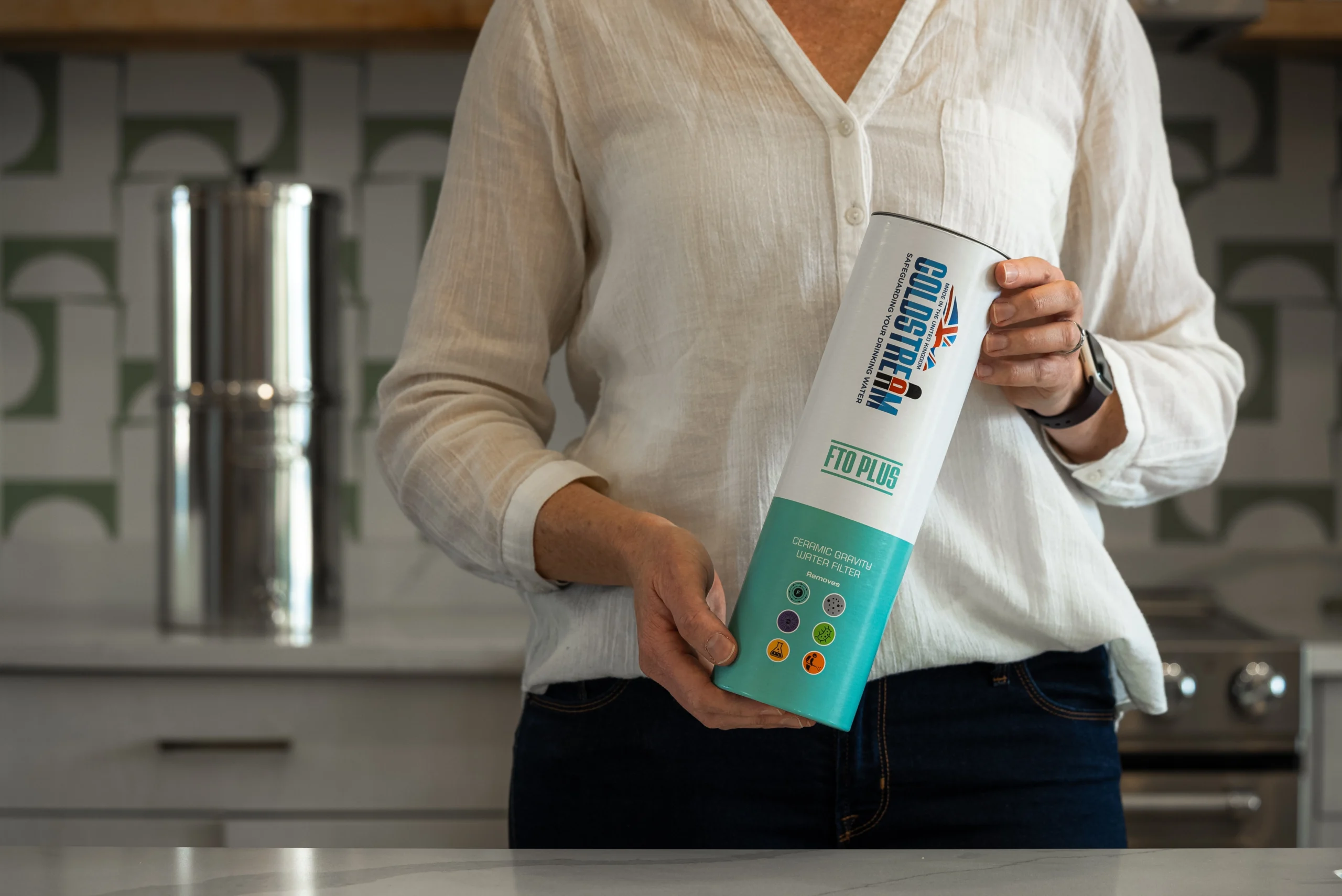
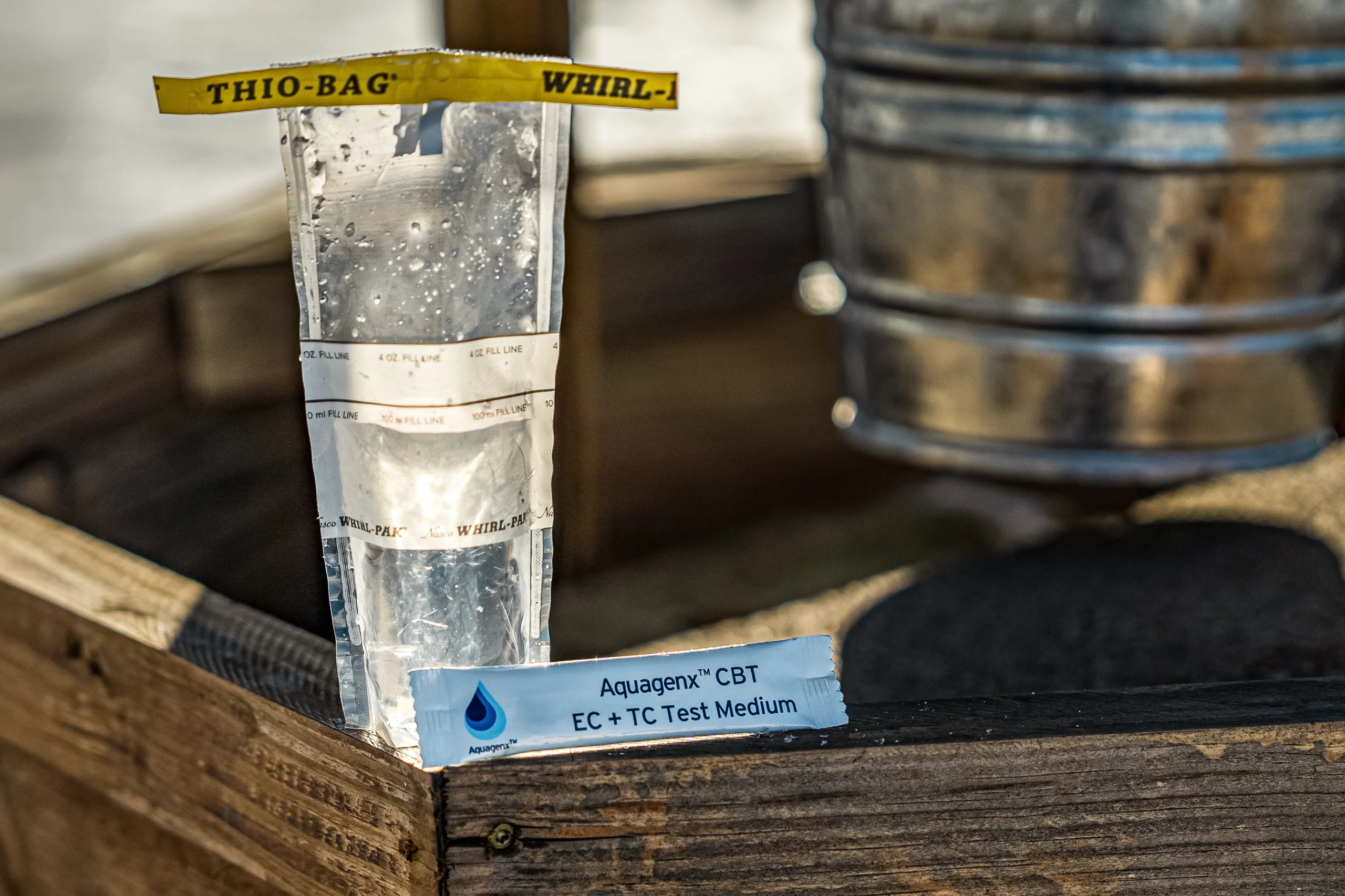
So what are we at Business Connect doing to improve sustainability around the world? It is part of Business Connect’s mission to provide and focus on long term solutions so that communities can live a more sustainable life. We focus specifically on water solutions, not only for using less water but also to clean water that is not drinkable. Access to clean drinking water is a huge global challenge that we are facing, which is why Business Connect has been focusing on providing lasting solutions, rather than small temporary fixes. Water sanitation in the form of water filters and purification tablets are great examples of ways for people to be sustainable with their water consumption and usage. Tools like Aquatabs or portable purifiers allow people around the world to rely less on plastic, packaged water and gets rid of reliance on single use plastic. Partnerships around the world have also allowed us to spread our message of sustainability and has led to an even greater social impact around the world.
How to Be an Ethical Consumer
There are also smaller, more manageable things that you can do to be an ethical consumer. Some actions include:
Purchasing sustainable hygiene products with reusable or biodegradable packaging.
Supporting small and local businesses to ensure that money in your pocket contributes directly to a positive social impact in people and the environment.
Choosing cruelty free and vegan companies to improve the impact that humans are having on the world around us.
Investing in an in-home water filter, rather than plastic water bottles, to significantly reduce water usage.
Small, every day shifts may seem meaningless at times, but when used consistently, there is a ripple effect created. This ripple effect changes not only the way we consume, but also the way that companies are more motivated to have a more sustainable and ethical future.