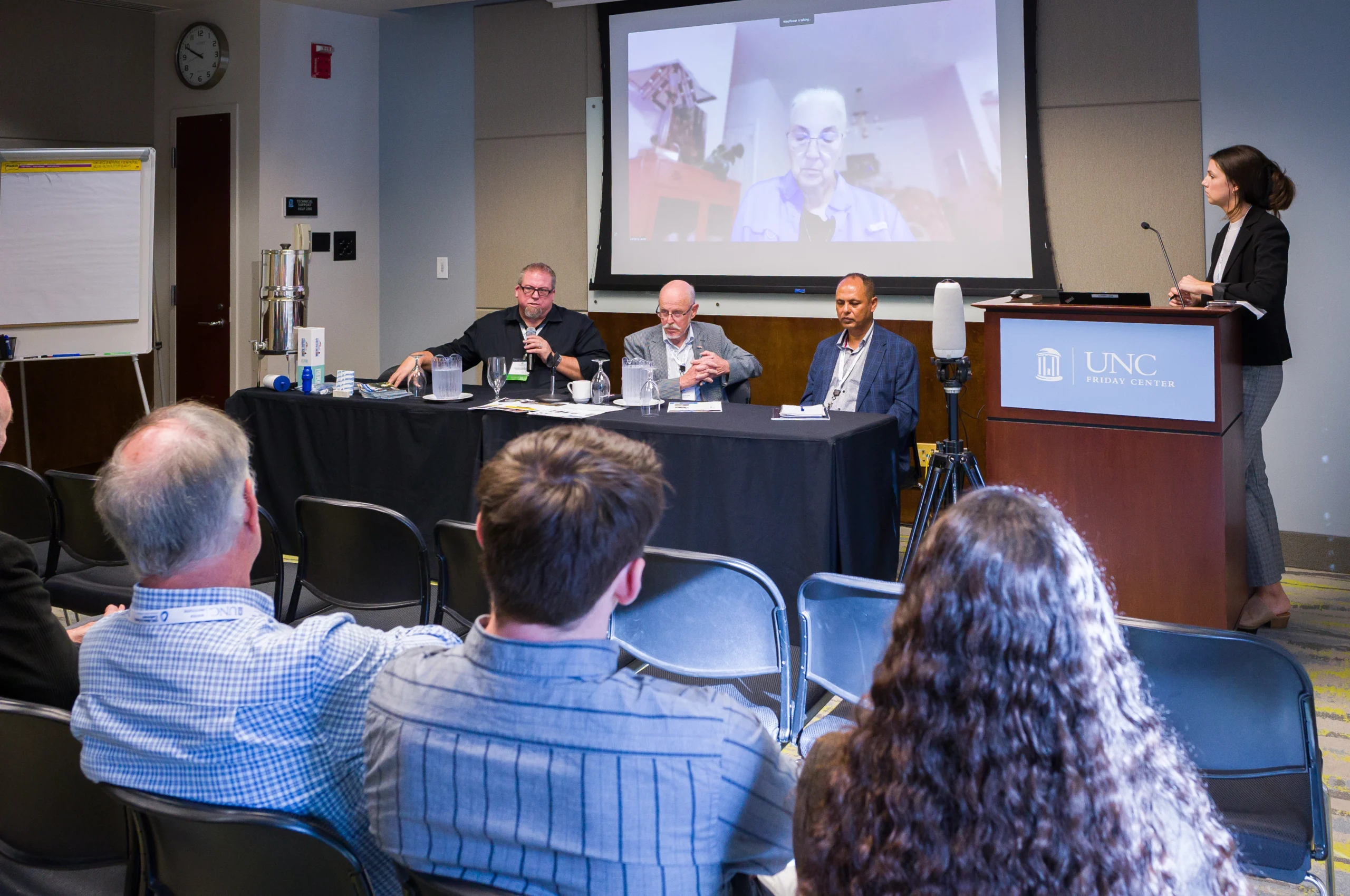
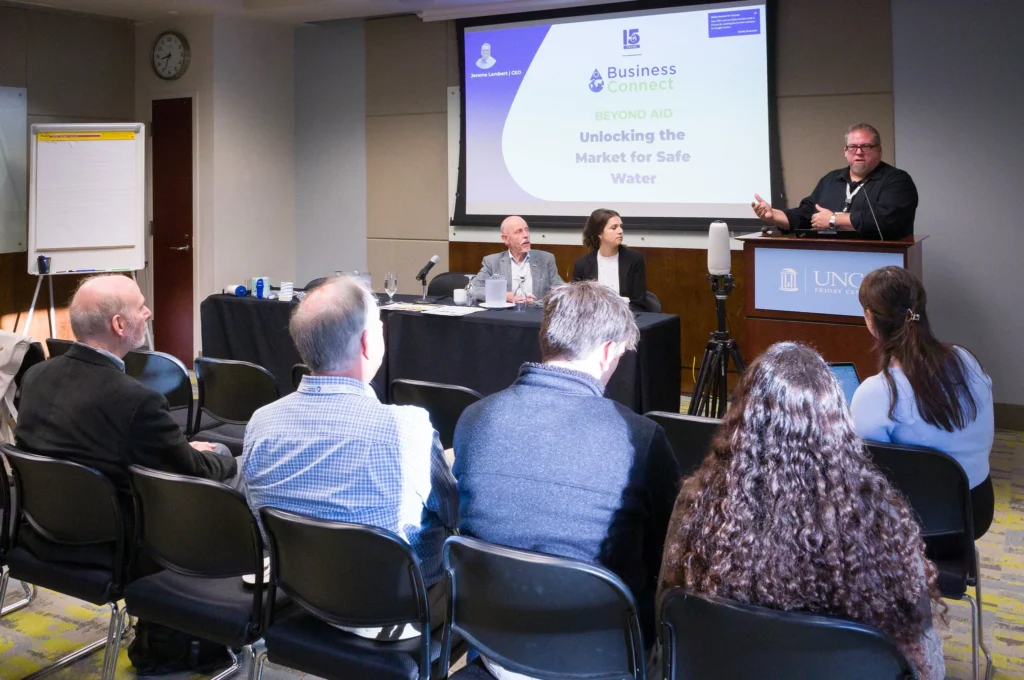
The annual UNC Water and Health Conference, a vital gathering for global change-makers, recently hosted a groundbreaking side event that completely reframed the future of African water security. The session, “From Pipe Dream to Filter Reality: How $4 Billion Can Provide Safe Water for Africa,” wasn’t just another discussion—it was a strategic pitch for scalable, sustainable impact that hinges on connecting business expertise with social impact.
Spearheaded by leaders from the MetaMeta SMART Centre Group, Business Connect, and Water By Women, the event introduced a definitive, financially scoped plan to deploy smart capital that shifts the entire water security dynamic.
The Strategic Shift: Deploying $4 Billion in Smart Capital
The challenge of delivering reliable, safe water to billions is immense, and conventional aid models often fall short on longevity and scalability. This session introduced a radical departure: a $4 billion investment mobilized not for top-down infrastructure, but for catalyzing local enterprise and building resilient economies.
This smart capital is designed to accelerate progress toward SDG 6 by moving the focus from dependency to true local ownership. The investment is purposed to:
Build Local Business Ecosystems: Move away from charity-based distribution toward a market-driven approach. This means providing seed funding, technical training, and business mentorship to local entrepreneurs—our vital distributors—who can manage water delivery as a service.
Scale Life-Enhancing Products: Prioritize the local manufacture and distribution of innovative, appropriate technologies (like the SMART systems promoted by MetaMeta) that are simple, affordable, and repairable. This ensures the products that reach the last mile are viable and maintainable.
Ensure Sustainable Service Delivery: By creating a viable economic chain, water access guarantees product maintenance and the availability of spare parts, which is the critical link often missing in aid-based projects.
54925734085 5cca237945 k
Empowering the Network: Innovation and Inclusion
The organizations driving this narrative embody the principles of market-driven social impact, ensuring that essential products reach and are sustained by the communities that need them most:
MetaMeta SMART Centre Group champions the use of simple, affordable, and repairable technologies, ensuring that necessary products are not just delivered, but owned and sustained locally.
IRCWASH Ethiopia focuses on reducing financial barriers to essential WASH infrastructure. As highlighted by panelist Lemessa Mekonta, they implement programs that provide subsidies for household water treatment and infrastructure. Specifically, they enable groups of up to 10 households to apply for a subsidy covering up to 50% of the infrastructure costs for constructing wells, making safe, reliable water sources accessible to low-income families.
Business Connect provides the expertise in market linkages, connecting innovative manufacturers with the international network of distributors needed to bring these life-enhancing products to market effectively.
Water By Women focuses on empowering female entrepreneurs and distributors. This gender-inclusive strategy recognizes that trusted, local, and often women-led businesses are most effective in achieving consistent health and hygiene outcomes within their communities.
The Blueprint for a Water-Secure Future
This session at UNC confirmed that universal water security is not merely a humanitarian challenge; it is an economic opportunity. By leveraging trusted, sustainable solutions and treating safe water access as a service delivered through robust local markets, we can transform a $4 billion “pipe dream” into a global reality, one empowered local business at a time. The future of WASH is about partnership, impact, and connecting the right business expertise with the greatest social need.